Oyster Seed
C. virginica


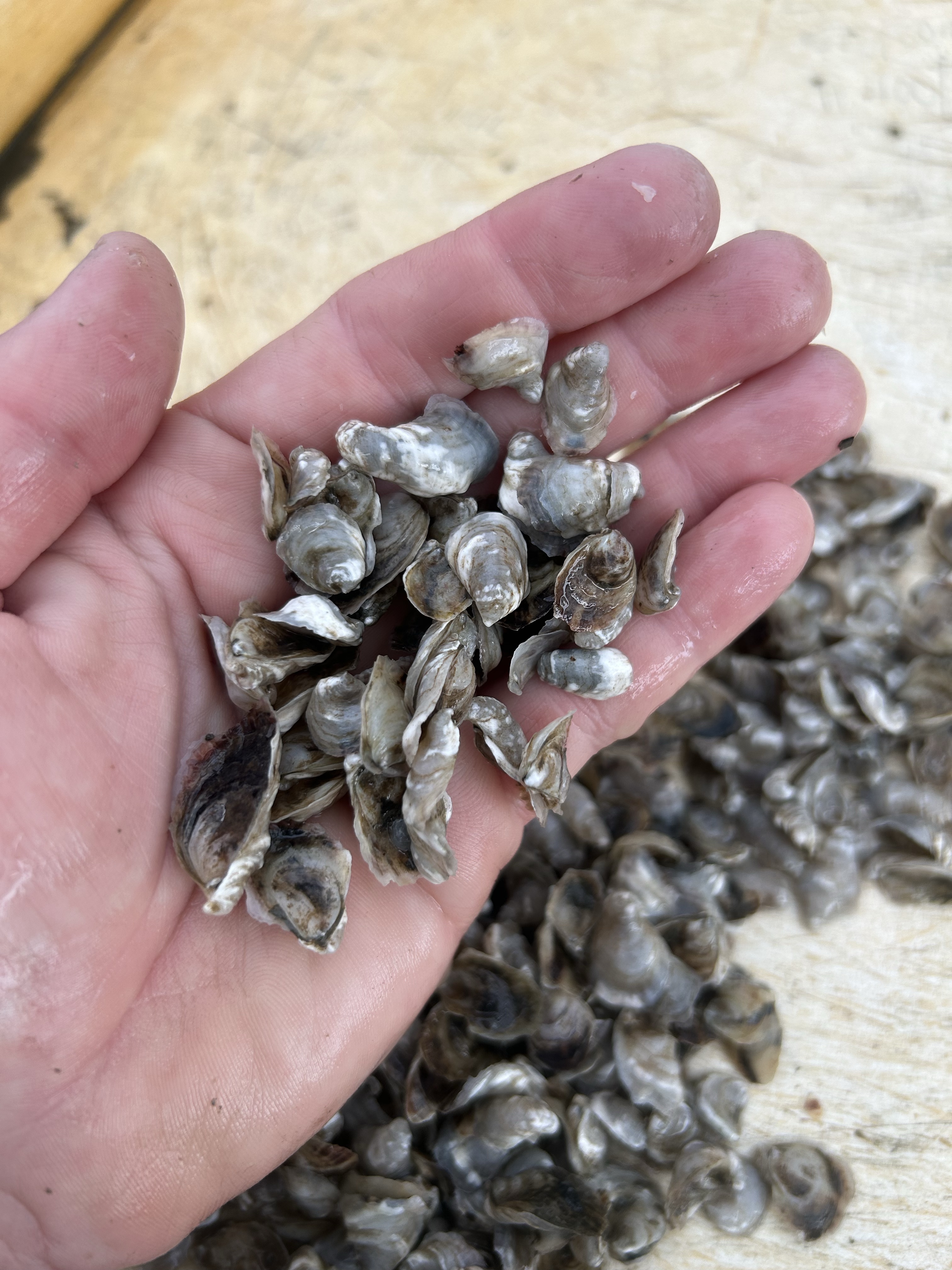


We are proud to offer triploid oyster seed that has been produced under license with the College of William and Mary. The breeding work for these triploid oysters has been conducted by the Aquaculture Genetics and Breeding Technology Center (ABC) at the Virginia Institute of Marine Science (VIMS). Our triploid oyster seed is carefully set on fine cultch, resulting in “singles” that are perfect for the half-shell market.
At McGee’s Shellfish, we are dedicated to supporting the growth of the shellfish industry by providing top-notch seed to farmers. We are committed to excellence in every aspect of our operation, from breeding to distribution.
Clam Seed
M. mercenaria
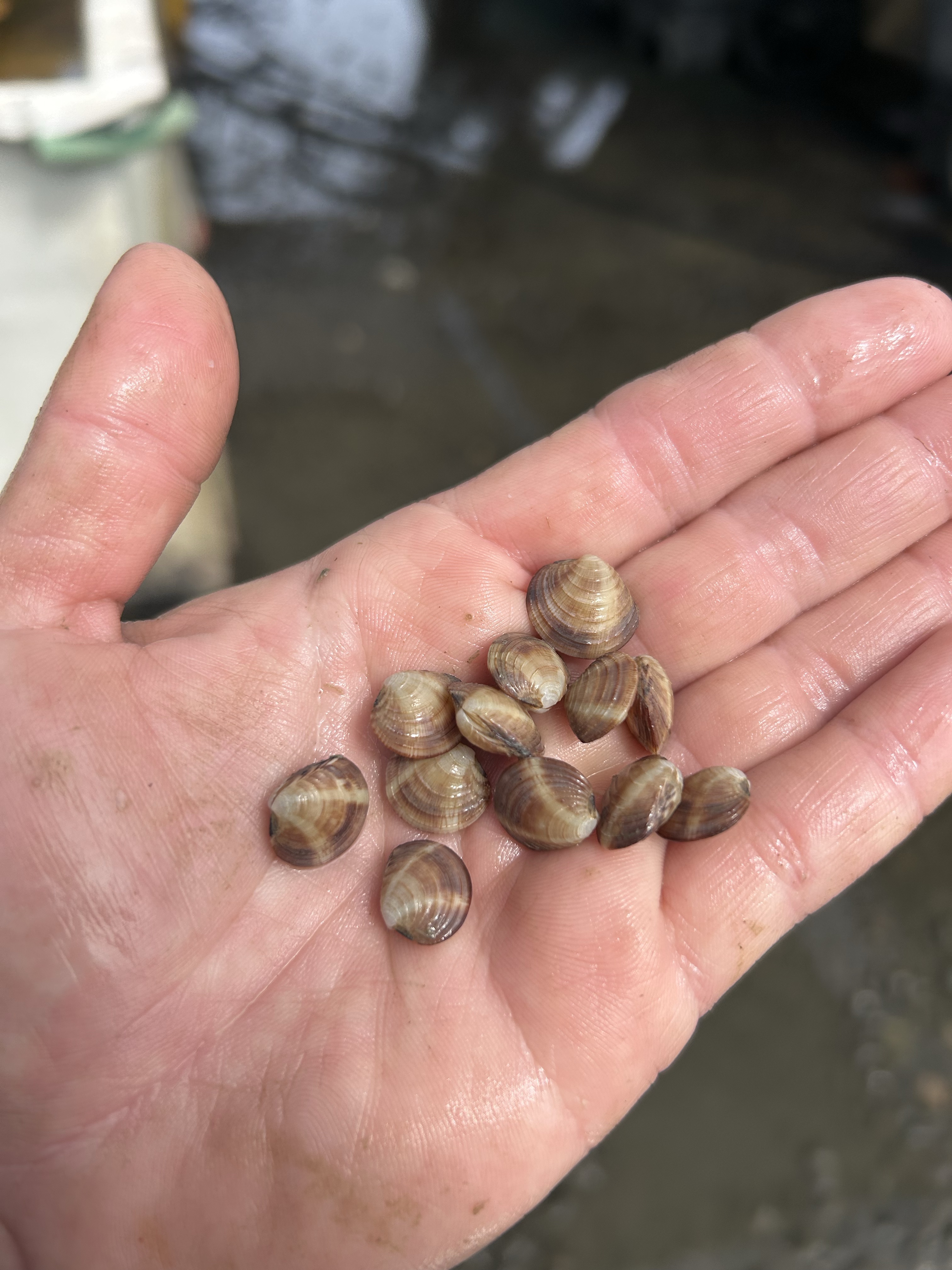

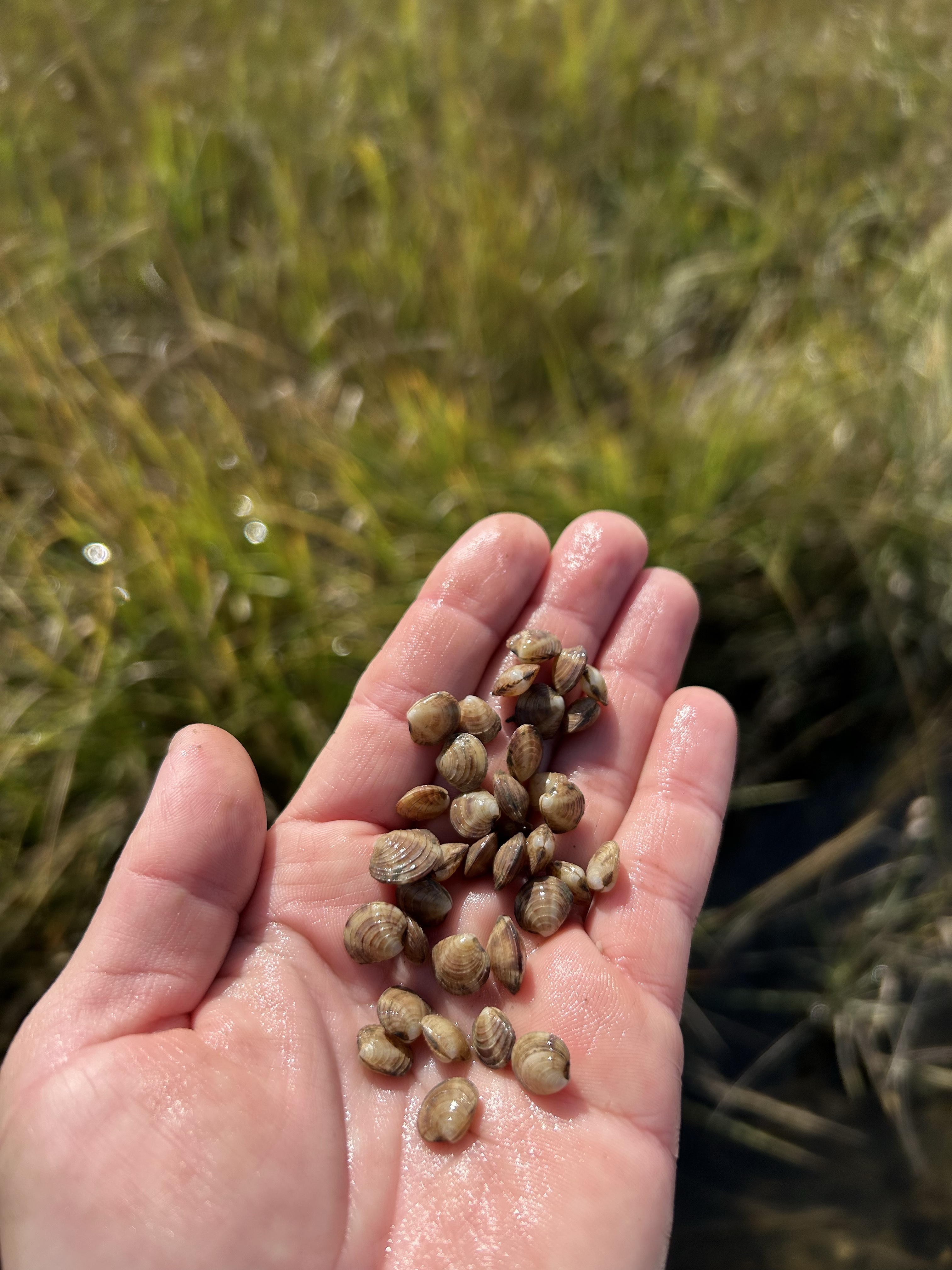
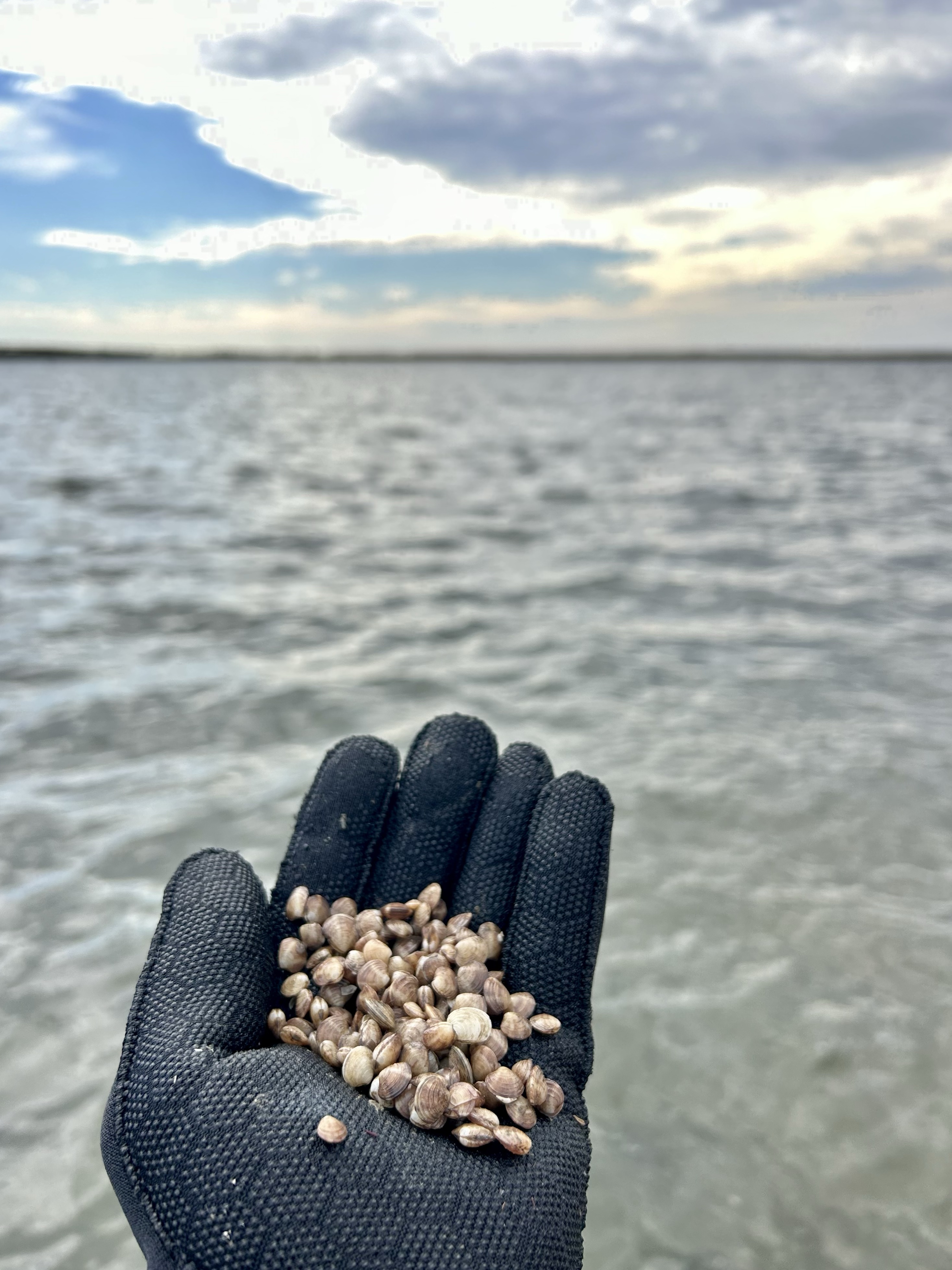


At McGee’s Shellfish, we take pride in offering high-quality hard clam (M. mercenaria) seed for sale. Our broodstock has been carefully selected to produce offspring that are quick-growing and hardy, ensuring a successful and productive clam farm.
To ensure the survival and growth of our clam seed, we provide them with the best possible conditions. Our larvae and post-set clams are fed cultured algae, which provides them with the necessary nutrients for healthy development. We also maintain sterile and controlled settings to minimize the risk of disease and ensure optimal survival rates.
We offer a variety of sizes of clam seed for sale directly from our on-land nursery. Our seed ranges in sizes from 1-2mm to plantable size, allowing you to choose the size that best suits your needs and farming practices. Whether you are starting a new clam farm or looking to expand your existing operation, our clam seed is a reliable choice.
Why triploid oysters?
Like most organisms on the planet, oysters have two sets of chromosomes. Chromosomes are structures of DNA that are made up of many genes. In oysters, genes determine specific traits including disease resistance, shell size and shape. Selecting specific traits in oysters has been achieved by cross-breeding diploid oysters, however, these cross-bred oysters remain fertile. A fertile oyster uses a significant amount of energy on reproduction and gonad production. Most diploid oysters become watery during the summer months because they are expending energy to reproduce. A triploid oyster has three sets of chromosomes which cause them to be infertile. Triploid oysters are able to put all of their energy into growth. They typically grow faster than diploids because they are not putting energy into reproduction and can remain fat and meaty all year long.
McGee’s Shellfish produces triploid DEBYs, which is a VIMS disease resistant selected line of oysters. Triploid oysters are created by crossing a diploid female and a tetraploid male. DEBYs are proven to be an all-around performer that are good across a range of salinities, have high disease resistance and are bred for optimal growth and survival.
 McGee's Shellfish